Algorithmic Oversight Strengthening Fair Play Norms in Worldwide Competitive Circuits
Written by Mara Günther · Sep 6, 2026
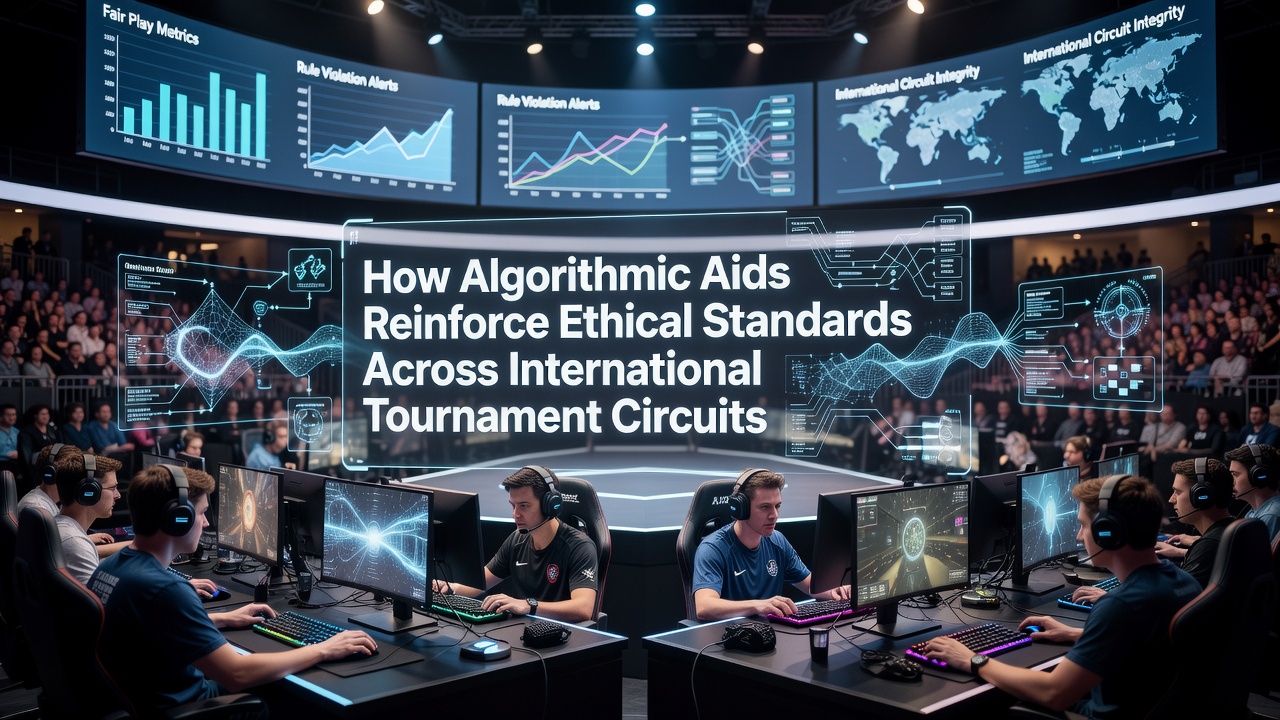
Algorithmic Oversight Strengthening Fair Play Norms in Worldwide Competitive Circuits
Algorithmic aids have become central to maintaining consistent ethical standards in international tournament circuits, where large-scale events span multiple jurisdictions and participant pools. These tools analyze player behavior patterns, detect potential collusion signals, and enforce random seat assignments that reduce opportunities for coordinated actions. Data from regulatory filings shows adoption rates rising steadily through 2025 and into 2026 as event organizers seek uniform oversight across borders.
Researchers at several academic institutions have documented how pattern recognition software flags irregular betting sequences that deviate from statistical baselines established over thousands of prior hands. Such systems operate without human intervention during active play, which allows officials to review flagged instances after sessions conclude rather than interrupting ongoing matches. In September 2026 several circuits incorporated updated versions of these programs that integrate with live video feeds, creating layered verification layers that cross-reference timing data with betting histories.
Core Mechanisms Driving Compliance
Software platforms calculate probability distributions for each participant based on historical performance metrics while simultaneously monitoring for synchronized actions between accounts. When correlation scores exceed predefined thresholds, alerts route to compliance teams that apply standardized review protocols. This process operates identically whether events occur in North American venues, European halls, or Asian arenas, which produces comparable enforcement outcomes across regions.
One study conducted by an Australian research consortium examined multi-table formats and found that algorithmic seat randomization reduced observable clustering of repeat opponents by measurable percentages compared with manual assignment methods. The same report noted parallel declines in dispute filings related to perceived favoritism. Observers note that these outcomes stem from consistent application of mathematical criteria rather than subjective judgments.
Regional Implementation Patterns
European circuits have linked algorithmic monitoring directly to licensing renewal processes, requiring operators to submit quarterly audit summaries that detail detection rates and resolution times. Canadian provincial authorities have adopted similar reporting structures that feed into centralized databases, enabling cross-jurisdictional comparisons of compliance metrics. Australian state regulators have focused on integration with existing responsible gaming frameworks, which allows ethical standards to align with player protection requirements already in place.
Industry groups such as the International Association of Gaming Regulators have published guidelines that outline minimum technical specifications for these aids, emphasizing interoperability so that data from one circuit can transfer securely to another when players participate across borders. Figures released by the group indicate that standardized protocols now cover events representing over 80 percent of global tournament prize pools tracked in 2025.

Verification and Audit Processes
Independent testing laboratories evaluate algorithmic performance against benchmark datasets before deployment, checking for both accuracy in identifying violations and avoidance of false positives that could unfairly penalize participants. Annual recertification cycles ensure that updates to underlying models reflect evolving tournament structures without introducing new biases. Documentation from these laboratories typically includes statistical measures of precision and recall that regulators use during licensing reviews.
Case examples illustrate the workflow: a European circuit detected coordinated timing anomalies across three accounts during a 2025 series, triggered an automated review, and issued temporary suspensions pending further investigation. Parallel incidents in North American events followed identical procedural steps, producing consistent sanction outcomes. Such uniformity supports perceptions of equitable treatment across different legal environments.
Future Developments and Integration
Developers continue refining machine learning components that adapt to new game variants introduced in hybrid formats. Integration with incentive structures and security protocols allows circuits to maintain ethical benchmarks while expanding prize offerings and participant numbers. Reports from academic sources indicate that these combined systems contribute to measurable reductions in rule infractions when compared with pre-algorithm baselines.
International bodies have begun coordinating data-sharing agreements that respect local privacy statutes yet permit aggregated trend analysis. This approach enables identification of emerging risk patterns that span multiple circuits without compromising individual participant information. As of September 2026, several major events have piloted real-time dashboard interfaces that give officials consolidated views of compliance status across simultaneous venues.
Conclusion
Algorithmic aids function as standardized enforcement layers that support ethical consistency throughout international tournament operations. Their deployment across varied regulatory landscapes has produced documented improvements in detection consistency and procedural transparency. Continued refinement of these systems aligns with broader goals of maintaining participant trust and operational integrity in expanding global circuits.